The MyAgnts journal

Field Notes for the agentic web.

Practical explanations for choosing, shaping, and trusting an agent—written for people who care about the work, not the infrastructure.

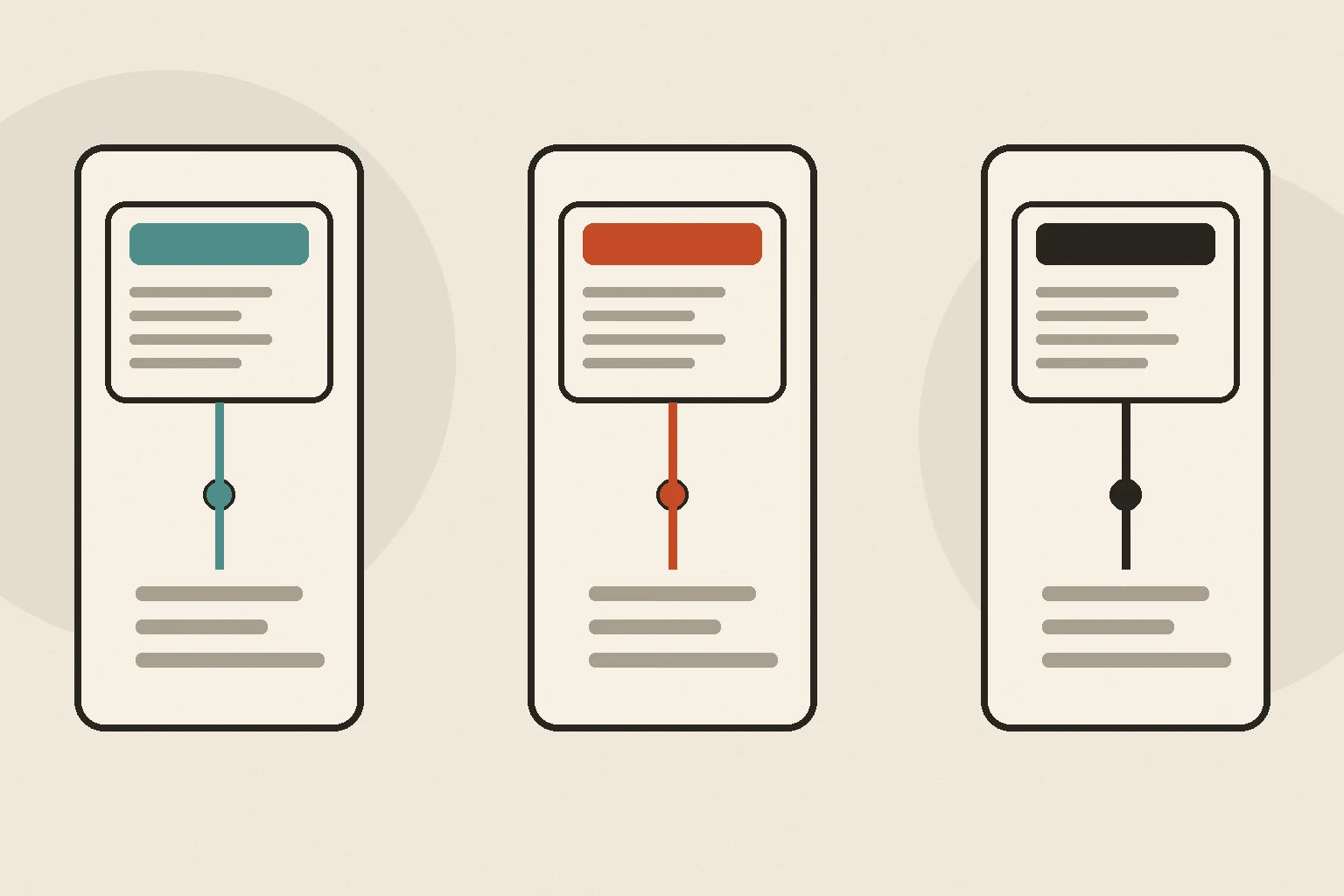
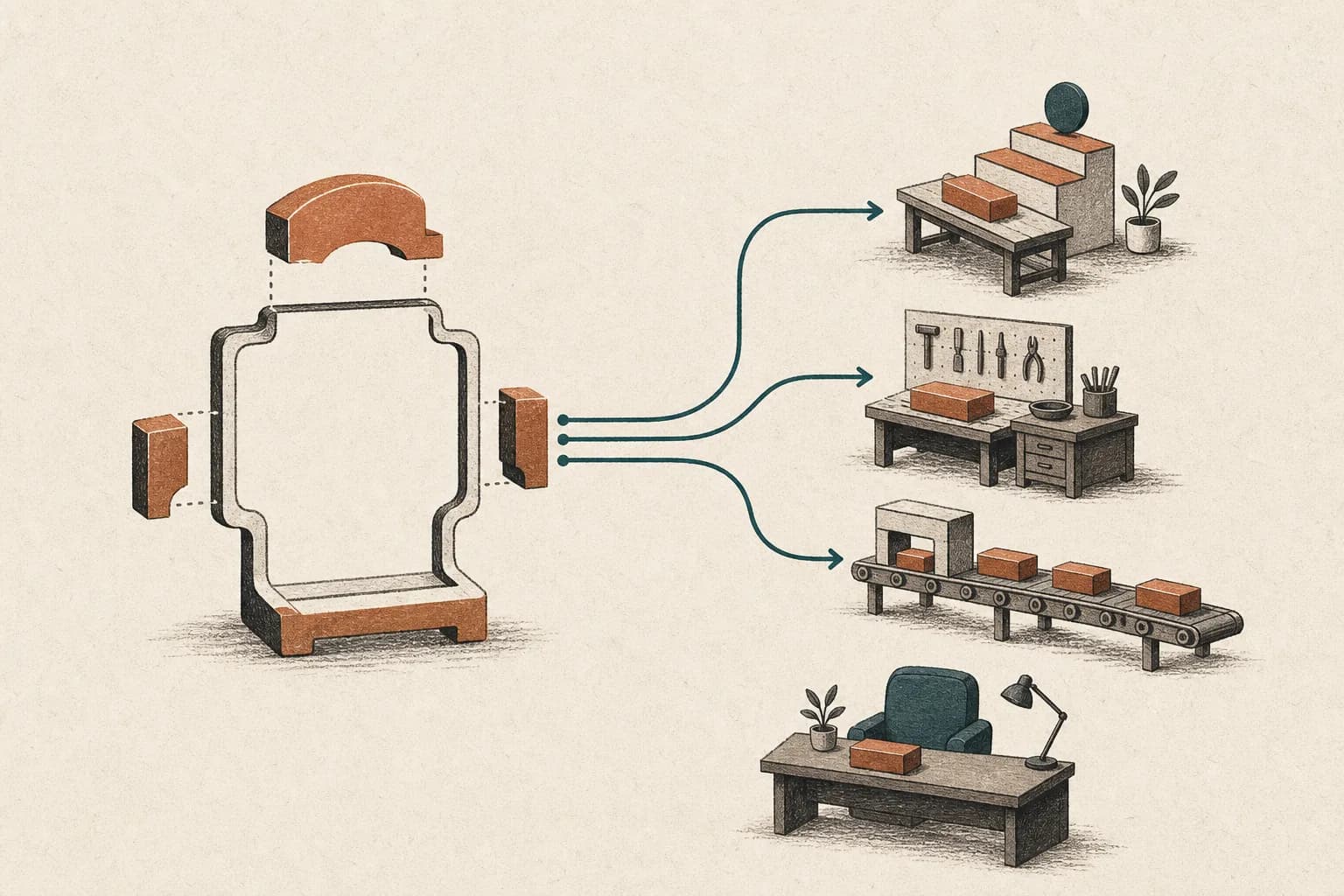
Three equally weighted agent operating models appear in separate comparison panels.

Comparisons

7 min read

Lindy vs Relevance AI vs Managed Agents

Compare Lindy, Relevance AI, and a managed AI agent by workflow fit, setup ownership, recurring work, controls, pricing, and maintenance.

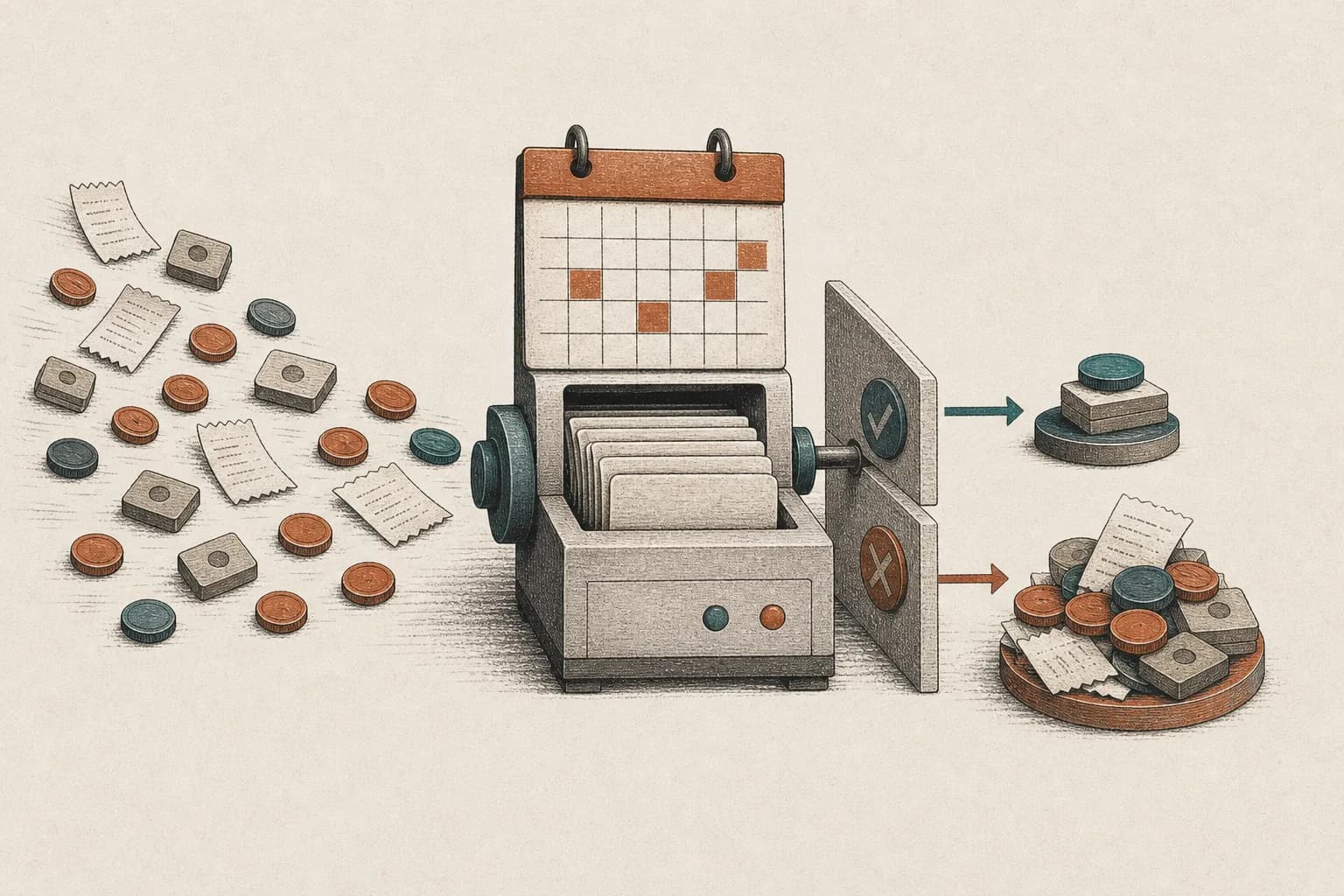
A paper ledger, a completed work queue, and restrained operator controls arranged on a warm desk.

Pricing

6 min read

Is a $500/Month AI Agent Worth It?

Decide whether a $500 managed AI agent is worth it using one workflow, your real operating cost, and a clear fit test—not speculative ROI claims.

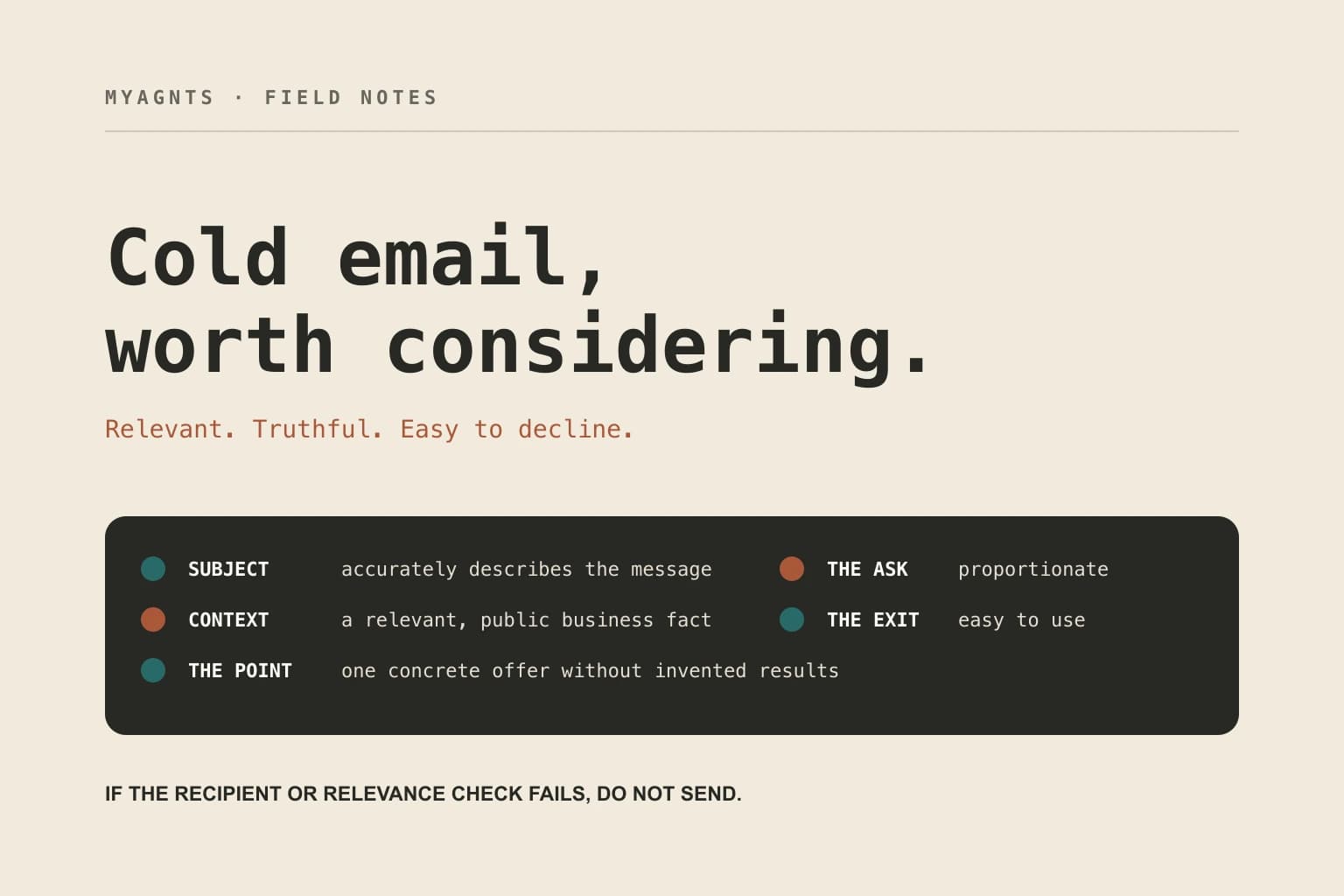
An editorial diagram of a respectful cold email with a truthful subject, relevant context, a concrete offer, and an easy reply or opt-out.

Guides

6 min read

How to Write a Cold Email Worth Replying To

Write a cold email that is relevant, truthful, easy to evaluate, and easy to decline—with a send-or-stop checklist, template, and follow-up rules.

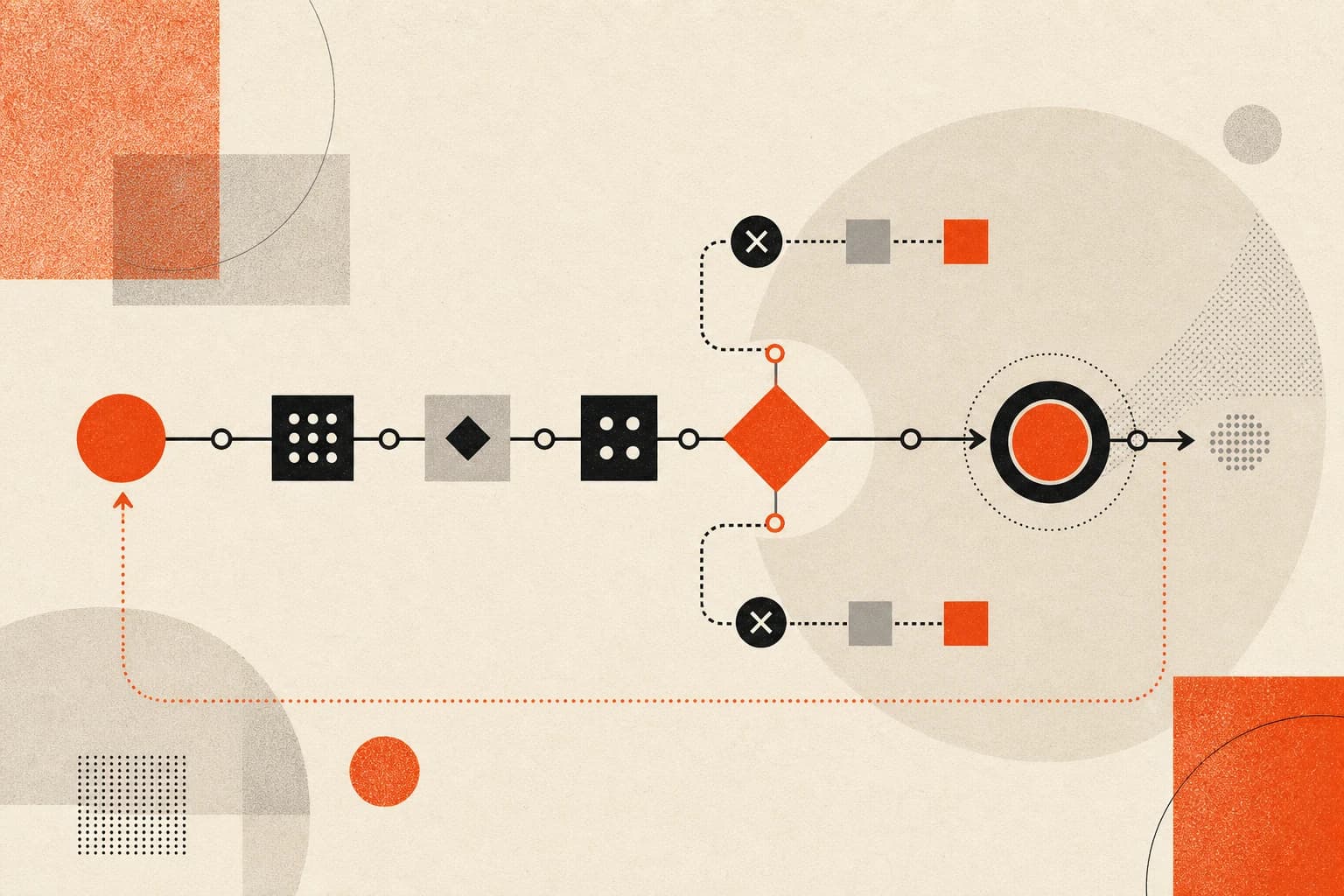
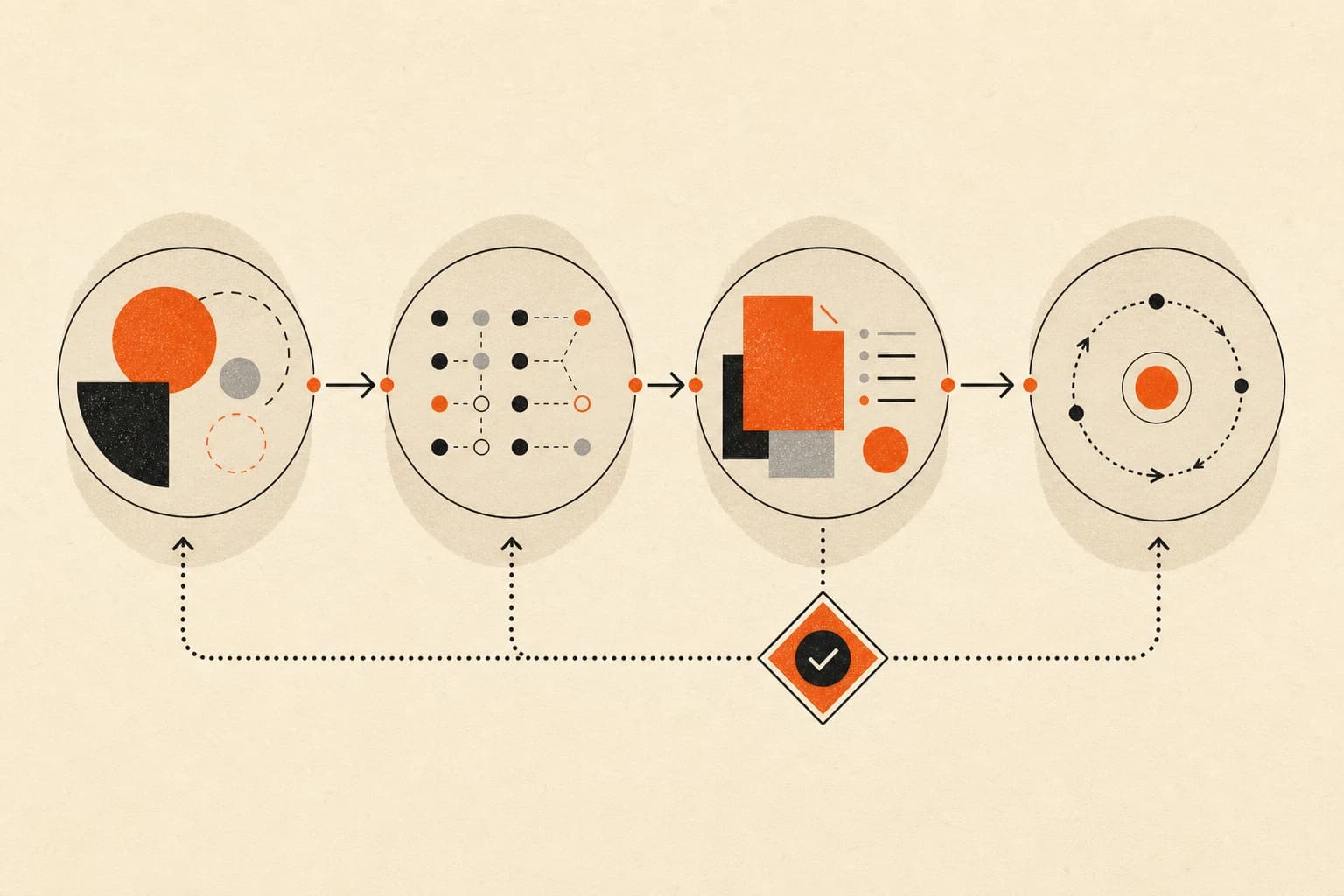
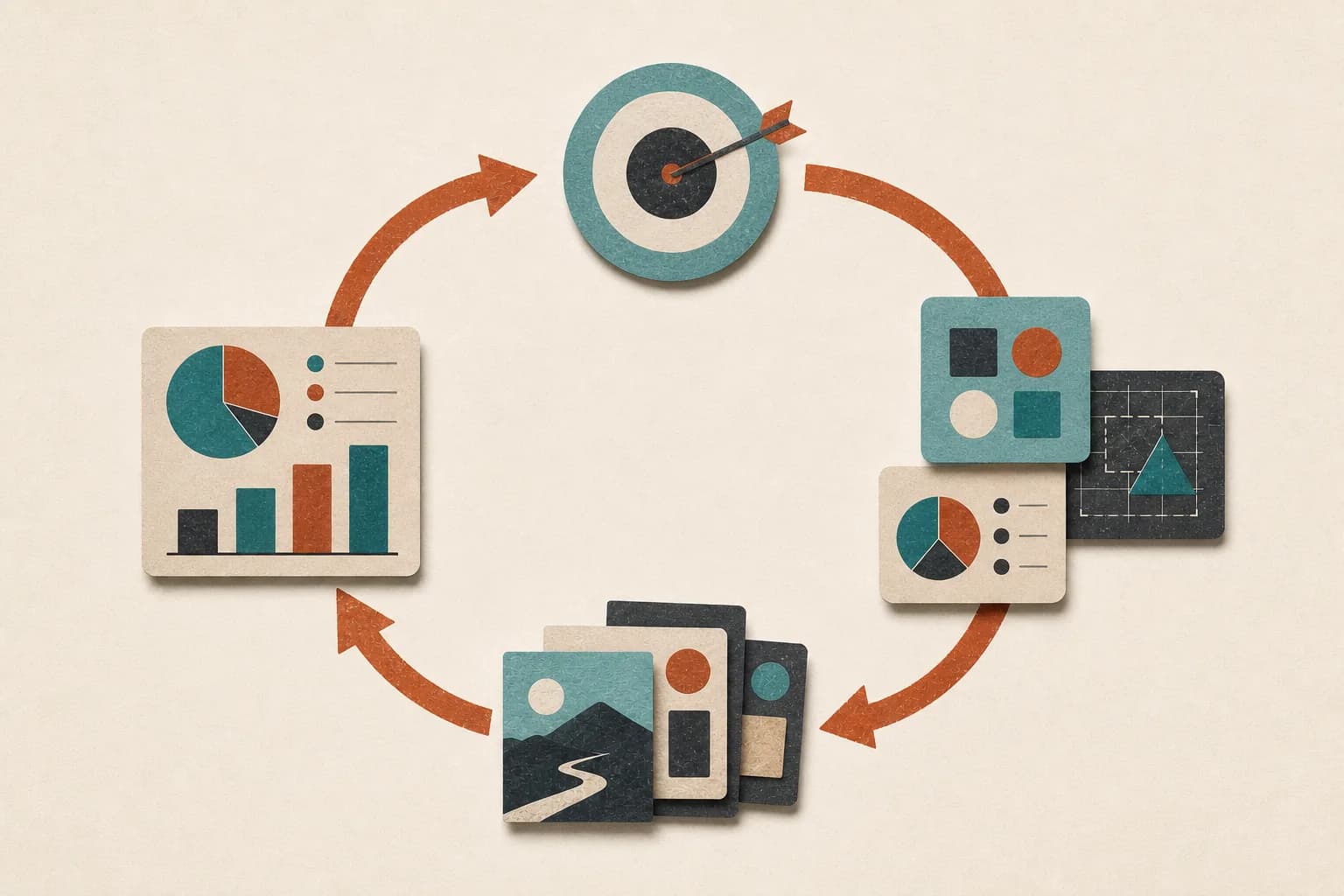
Four connected stages move from scope through tests and drafts into a supervised operating loop.

Field Guides

6 min read

The First 30 Days of a Managed AI Agent

A week-by-week operating method for scoping, testing, supervising, and reviewing one managed AI agent workflow without rushing autonomy.

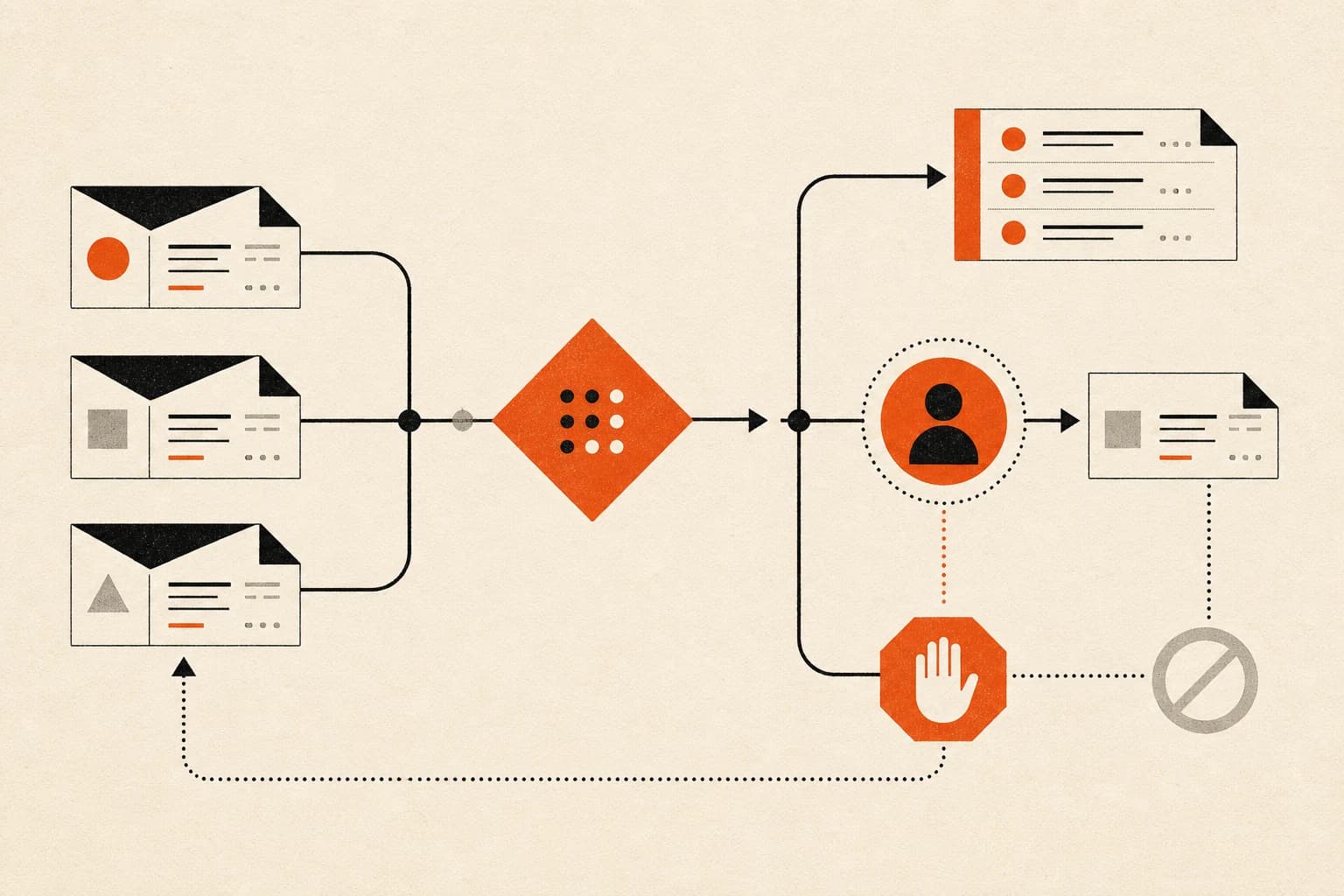
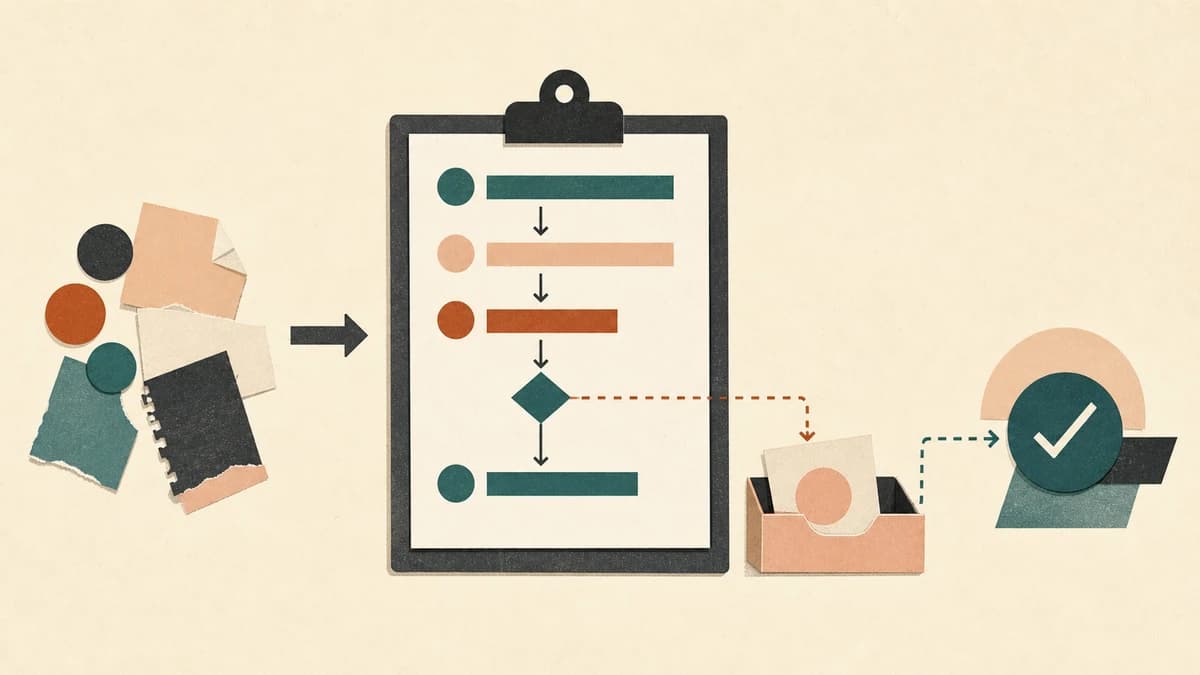
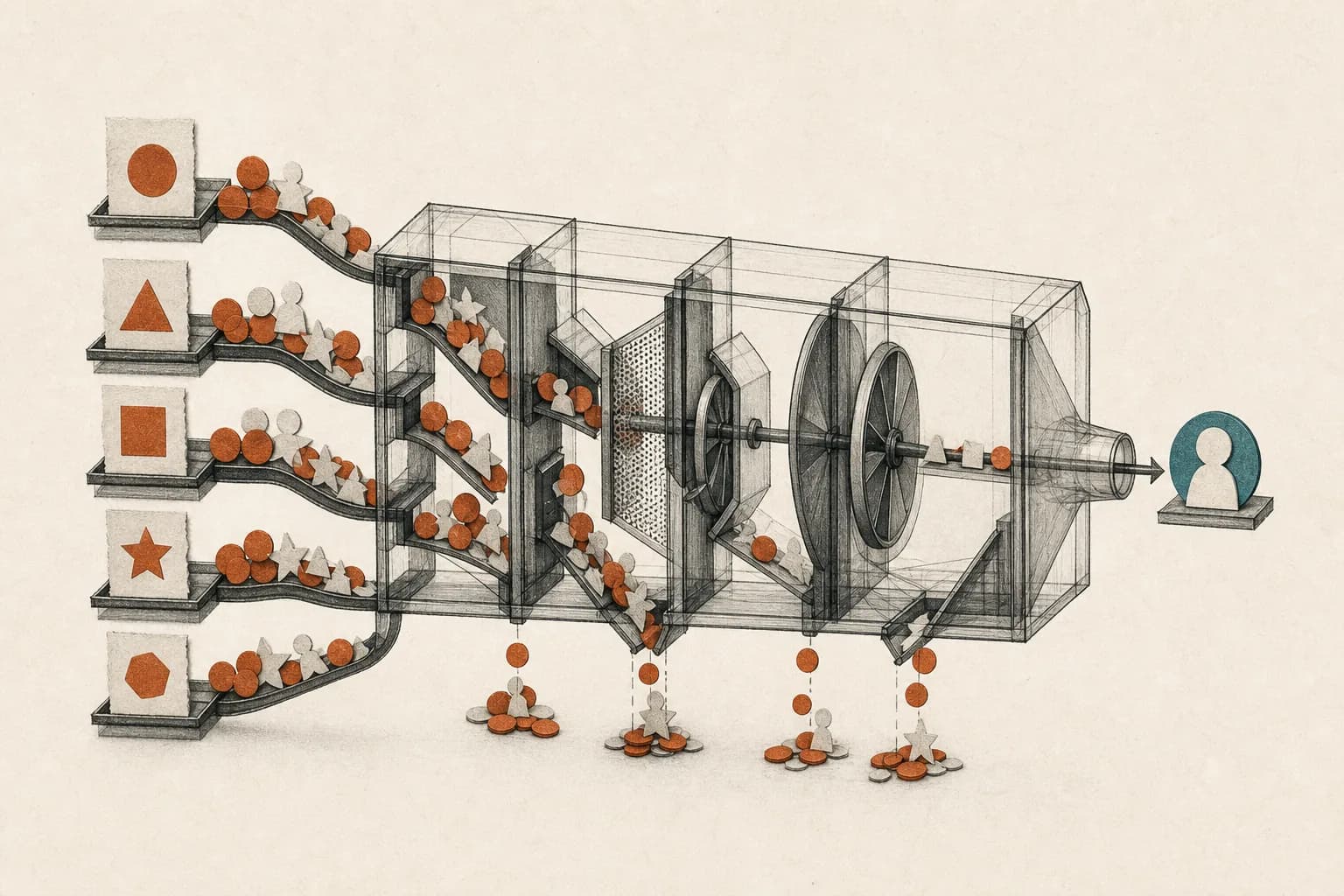
Structured correspondence moves through a decision gate toward a queue, human review, or stop path.

Field Guides

8 min read

Anatomy of a Safe Client Follow-Up Agent

Design a follow-up workflow with explicit lead states, approval boundaries, duplicate and retry rules, opt-out handling, human handoff, and an audit trail.

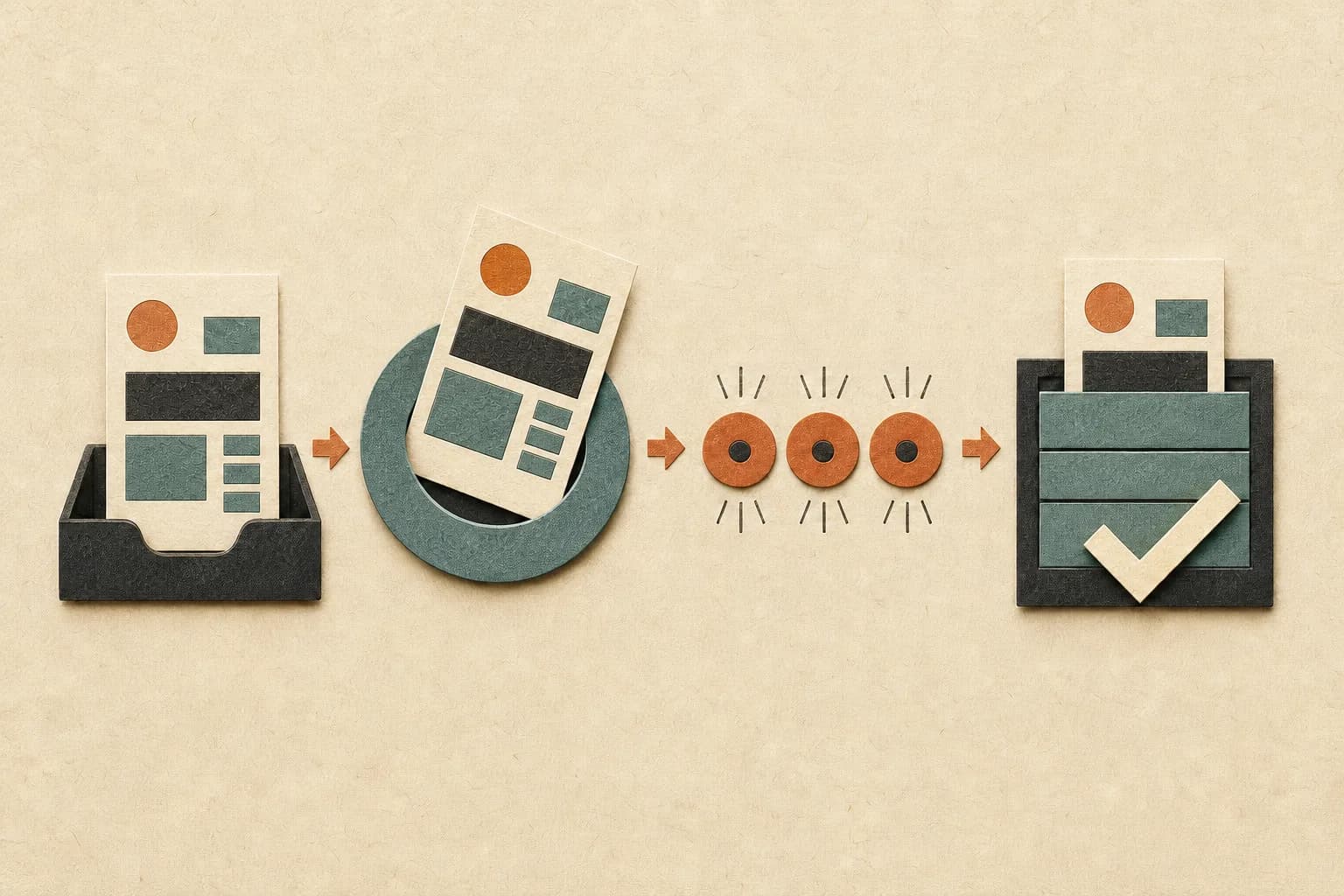
A tactile paper handoff token moves through four connected client-onboarding stations and reaches a completed state.

Guides

5 min read

How to Automate Client Onboarding

Automate client onboarding with a practical four-stage workflow, trigger map, checklist, and clear handoffs for work that still needs a person.

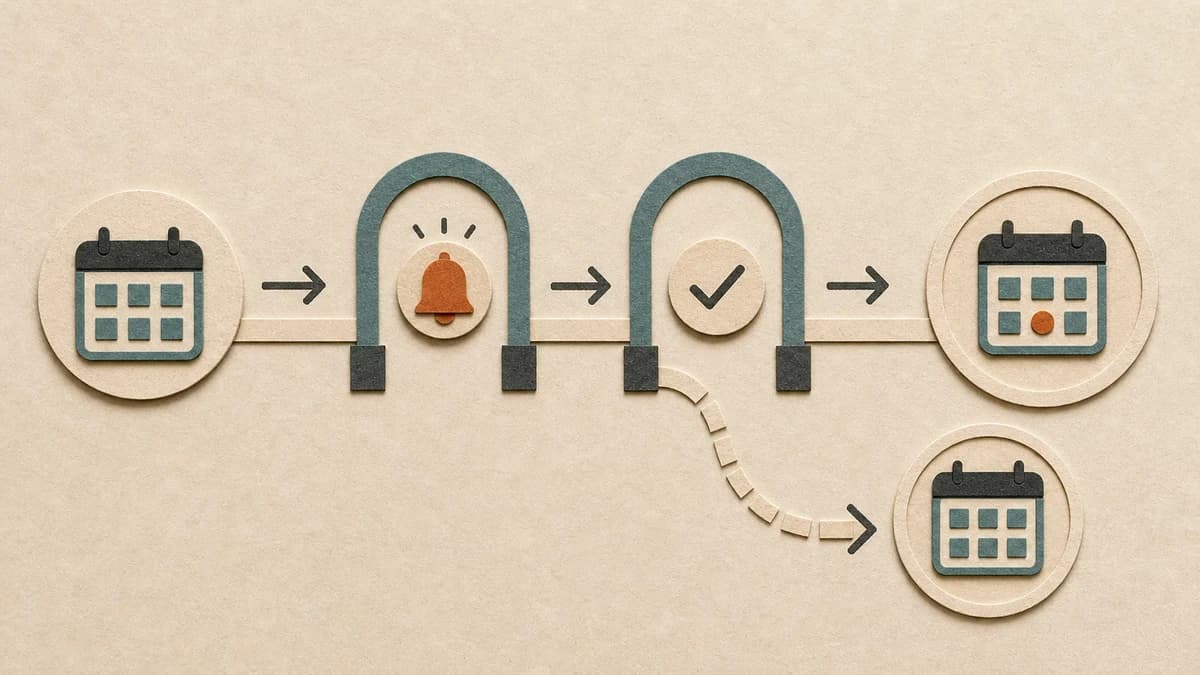
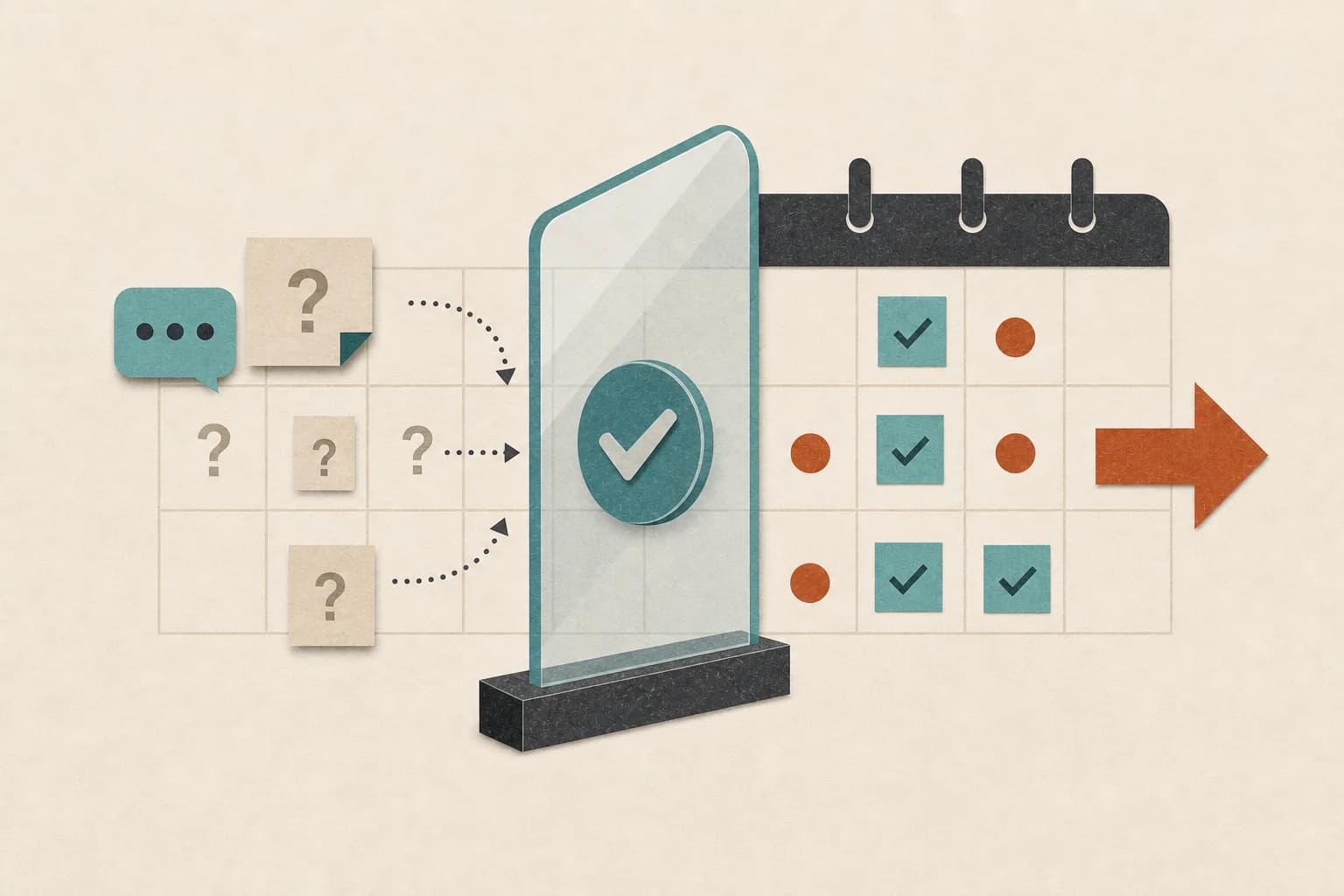
Two tactile reminder signals guide an appointment token toward a reserved slot while a second path makes rescheduling clear.
Guides

5 min read

How to Reduce No-Shows: Reminders That Work

Reduce appointment no-shows with a practical reminder cadence, ready-to-use text templates, easy rescheduling, waitlists, and simple measurement.

A tactile weekly ledger sorts loose paper commitments into completed, carried forward, and deliberately parked groups.

Productivity

6 min read

How to Plan Your Week: A 30-Minute Review

Plan your week with a 30-minute review that reconciles open commitments, checks upcoming deadlines, and makes trade-offs before Monday.

Tactile paper paths representing scattered tasks converge into one clear, protected work area.

Productivity

6 min read

How to Stop Context Switching at Work

Reduce context switching at work with a practical system for triaging interruptions, batching shallow work, and returning to focus faster.

Overlapping calendar blocks and meeting notes funnel into one small, protected focus-time circle.

Productivity

5 min read

How to Reduce Meeting Overload at Work

A practical five-step plan to reduce meeting overload, replace status calls with useful updates, and protect time for focused work.

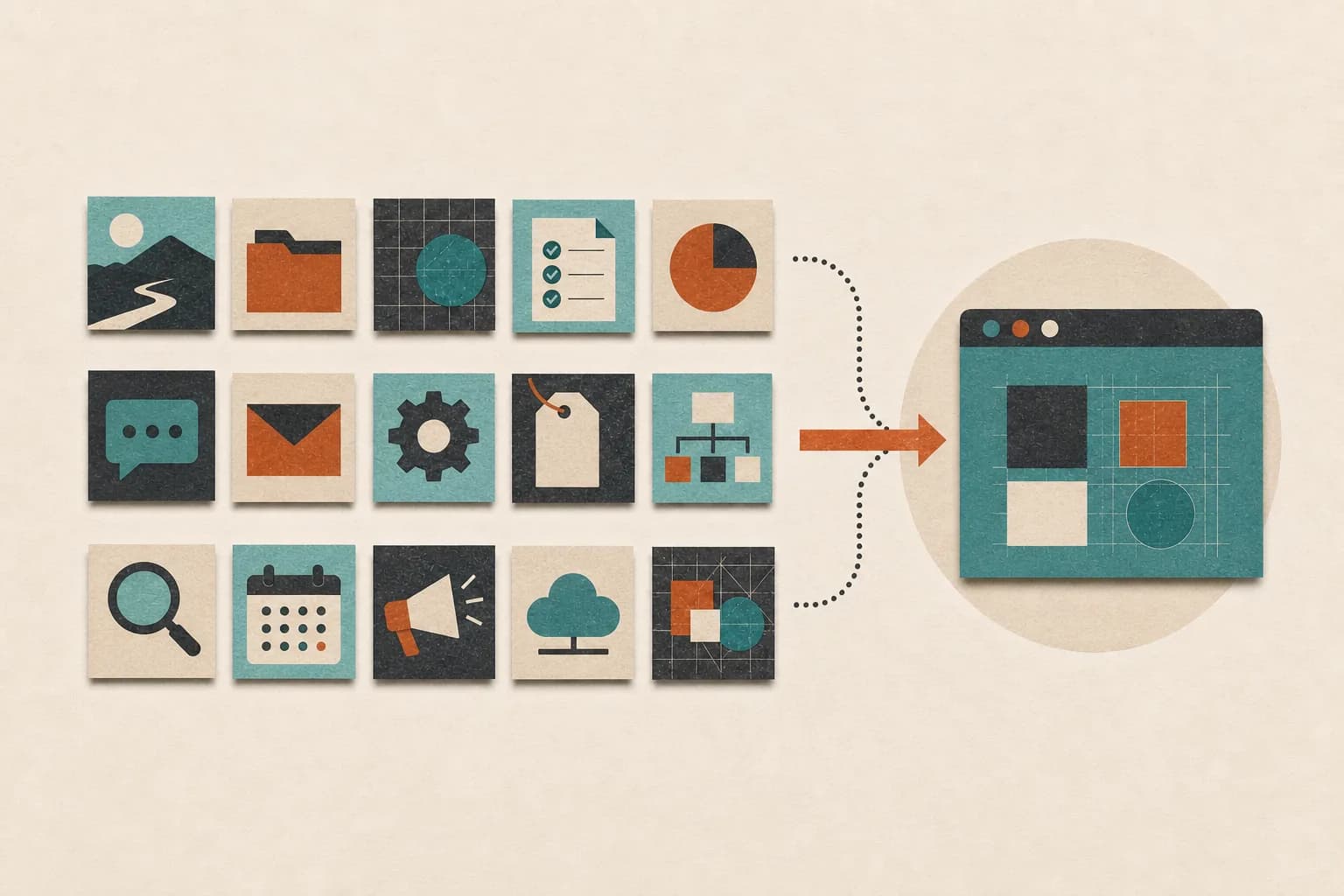
Business-tool modules connect through simple puzzle pieces to a central no-code assistant workflow.

How-to

7 min read

How to Set Up an AI Assistant Without Coding

Set up a useful AI assistant without code by defining one job, minimum access, approval rules, historical tests, and a controlled draft-mode launch.
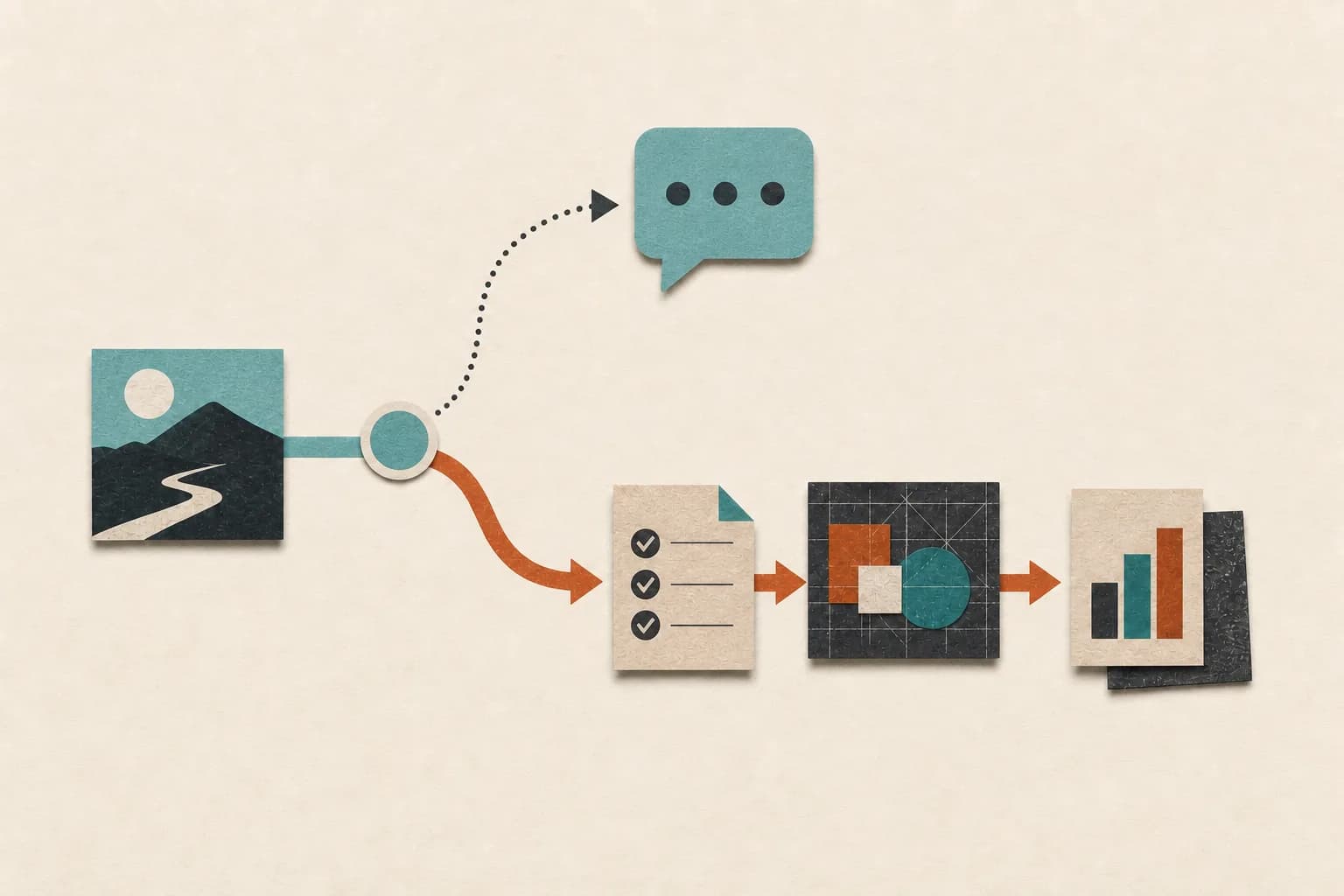
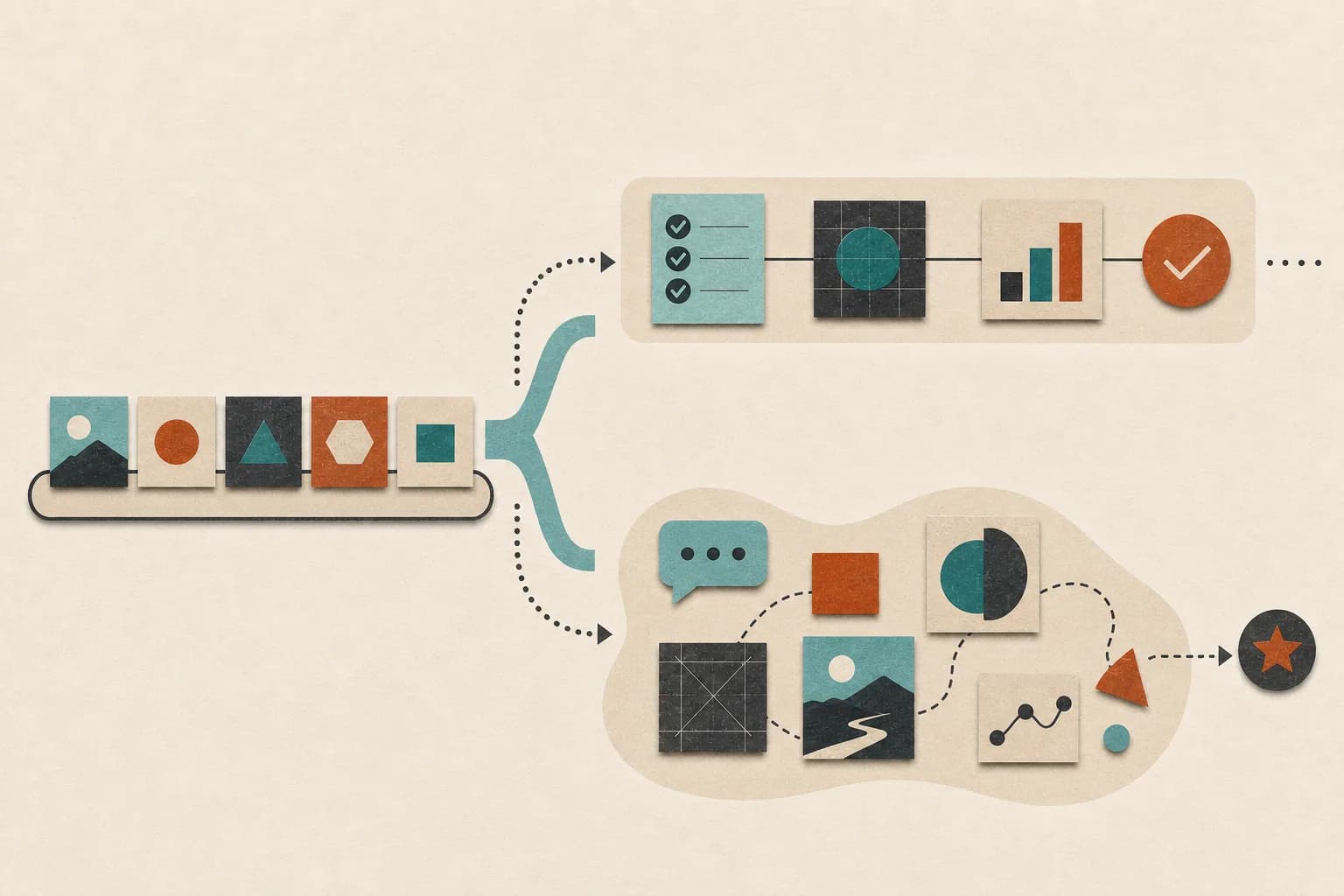
A message becomes an answer, while a parallel path continues through a checklist, tool, and result.

Fundamentals

3 min read

AI Agents vs. Chatbots

Chatbots answer questions. AI agents can use tools, preserve context, and carry work through multiple steps. Here is how to choose the right one.

A monitored operator console is contrasted with a configurable workshop of tools, modules, and settings.

Ecosystem

3 min read

Hermes Agent vs. OpenClaw

Hermes Agent and OpenClaw are capable open agent systems with different emphases. Compare their tools, memory, extensions, and operating fit.

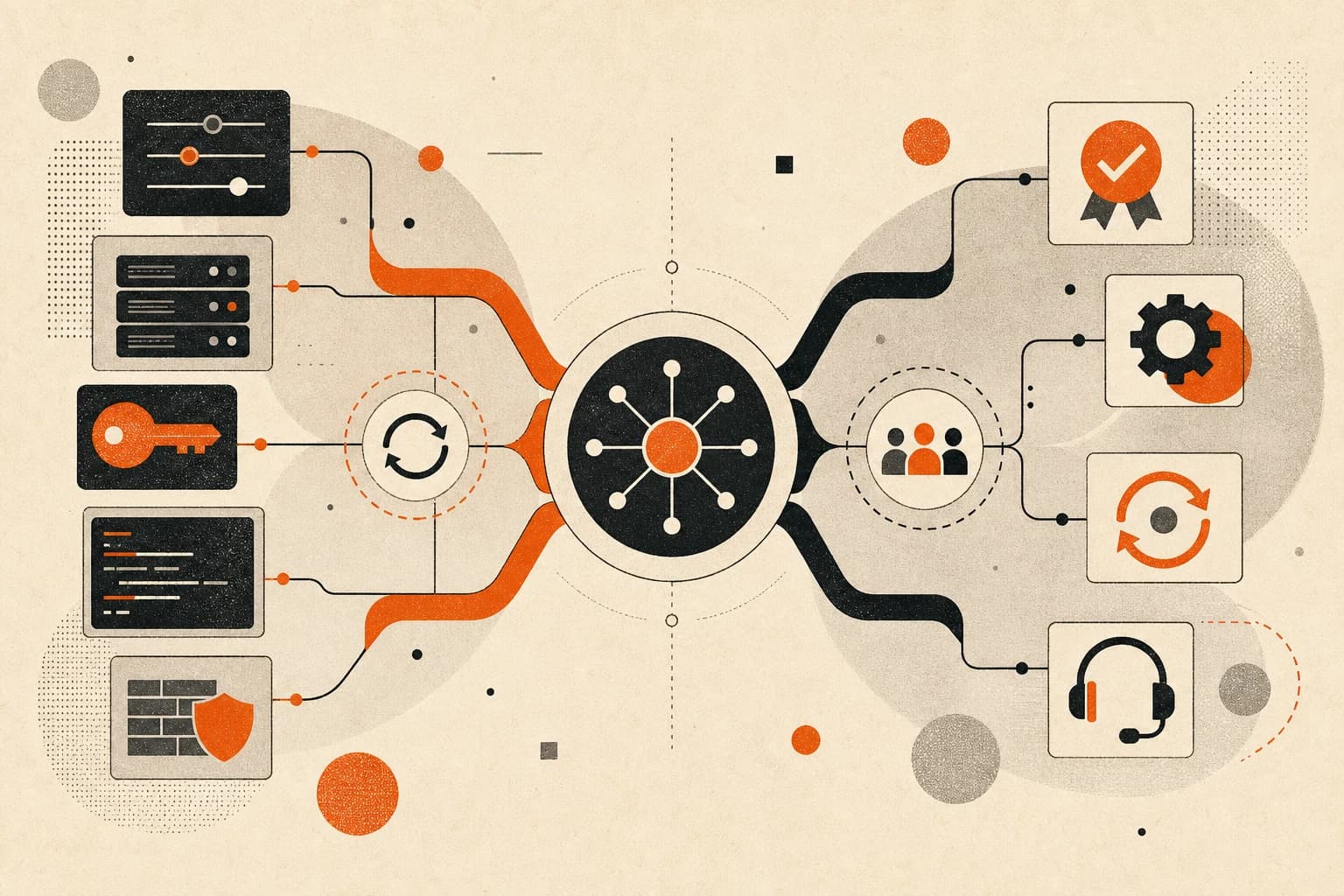
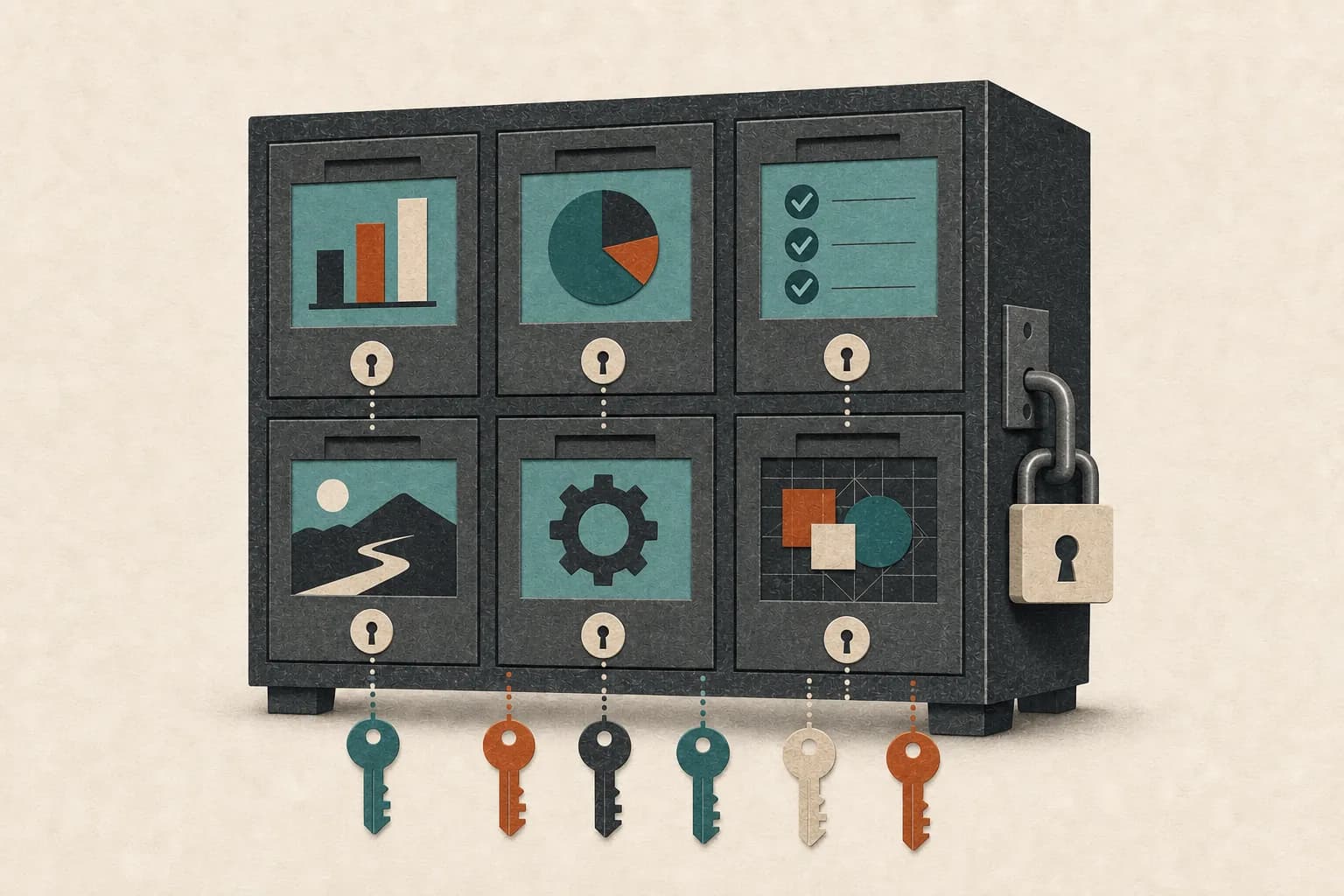
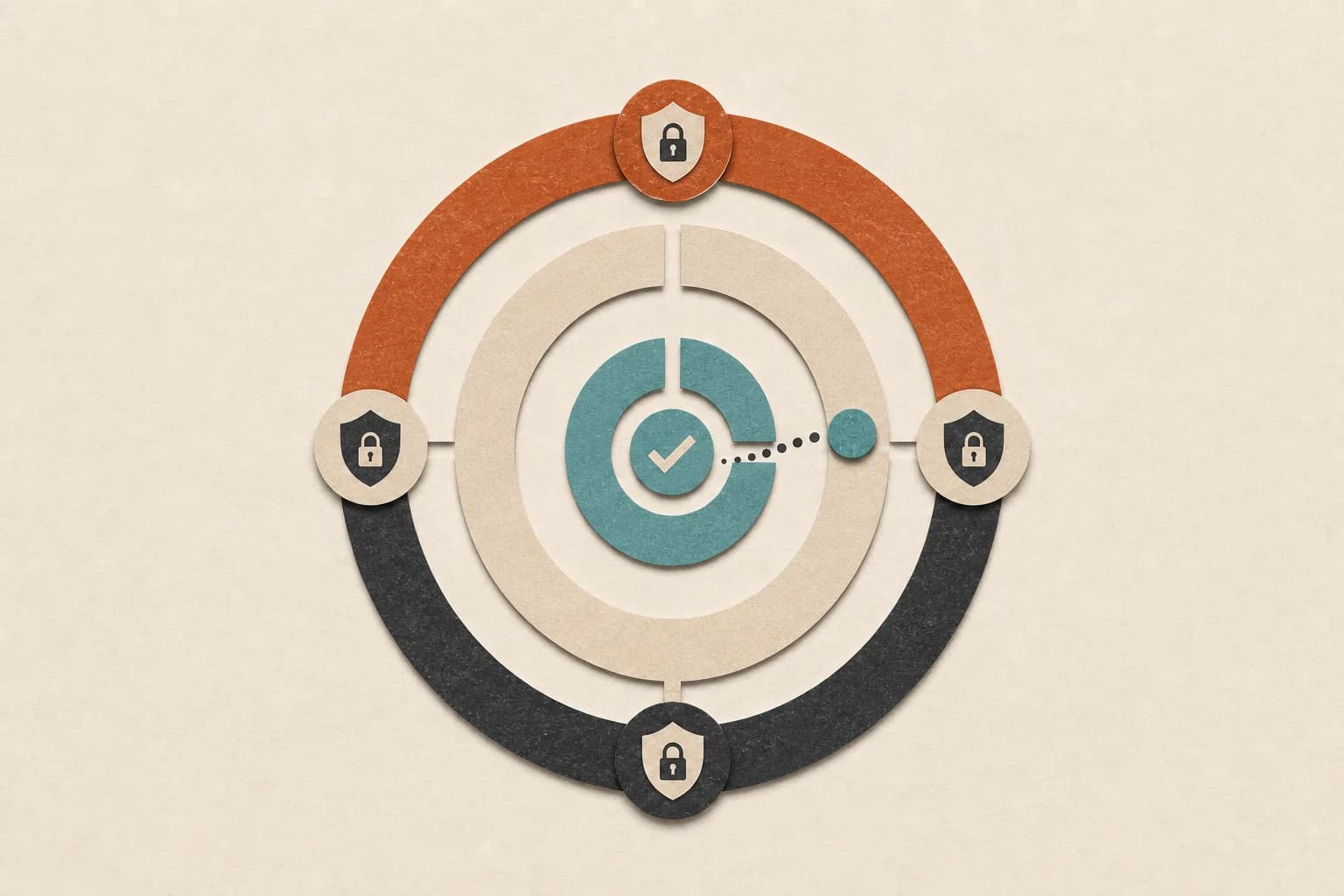
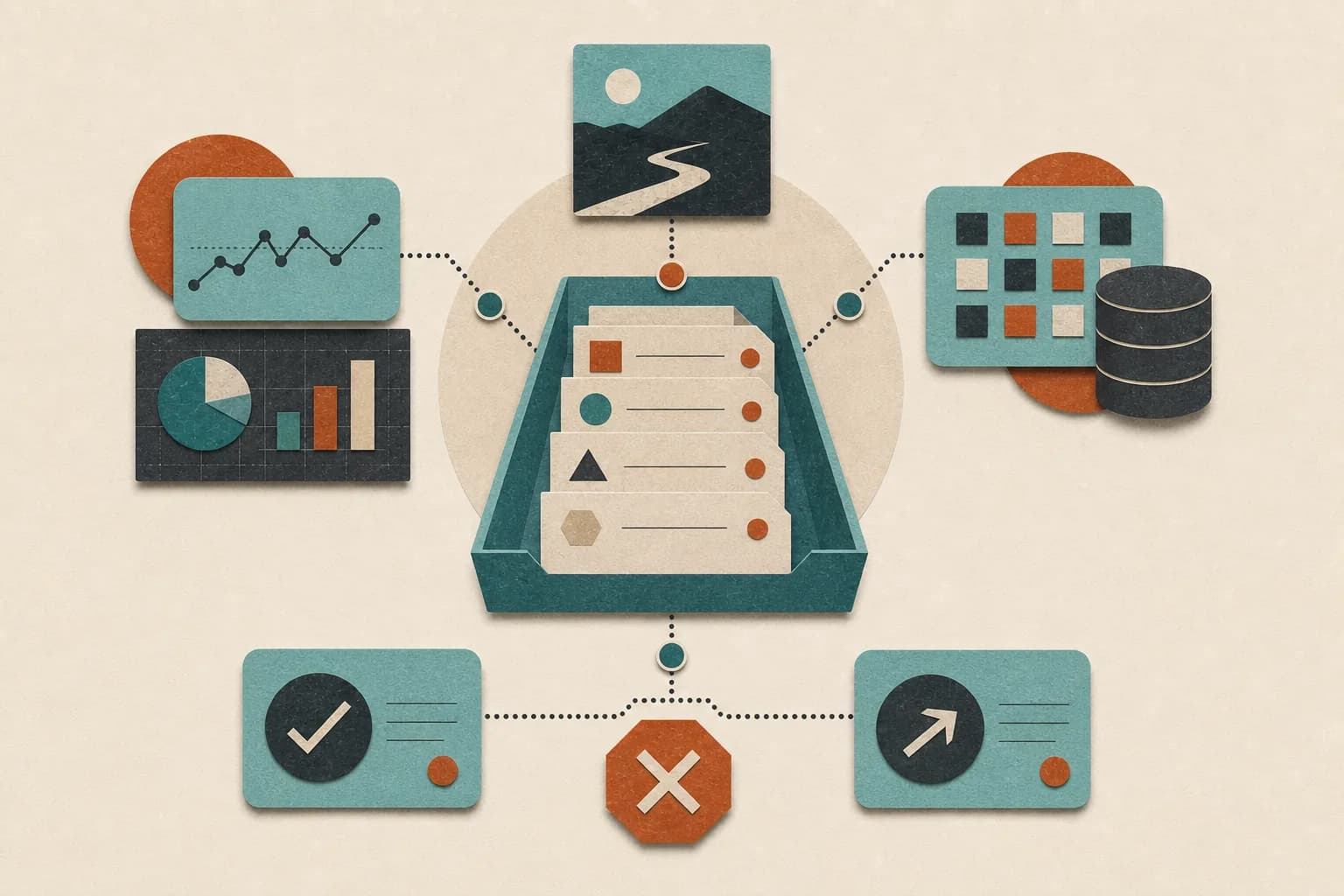
A central work queue is surrounded by monitoring, memory, approval, and data controls.

Fundamentals

6 min read

What Is a Managed AI Agent?

A managed AI agent combines agent software with a maintained environment, bounded permissions, monitoring, and a human owner for one defined workflow.