Ecosystem
Hermes Agent vs. OpenClaw
Hermes Agent and OpenClaw are capable open agent systems with different emphases. Compare their tools, memory, extensions, and operating fit.
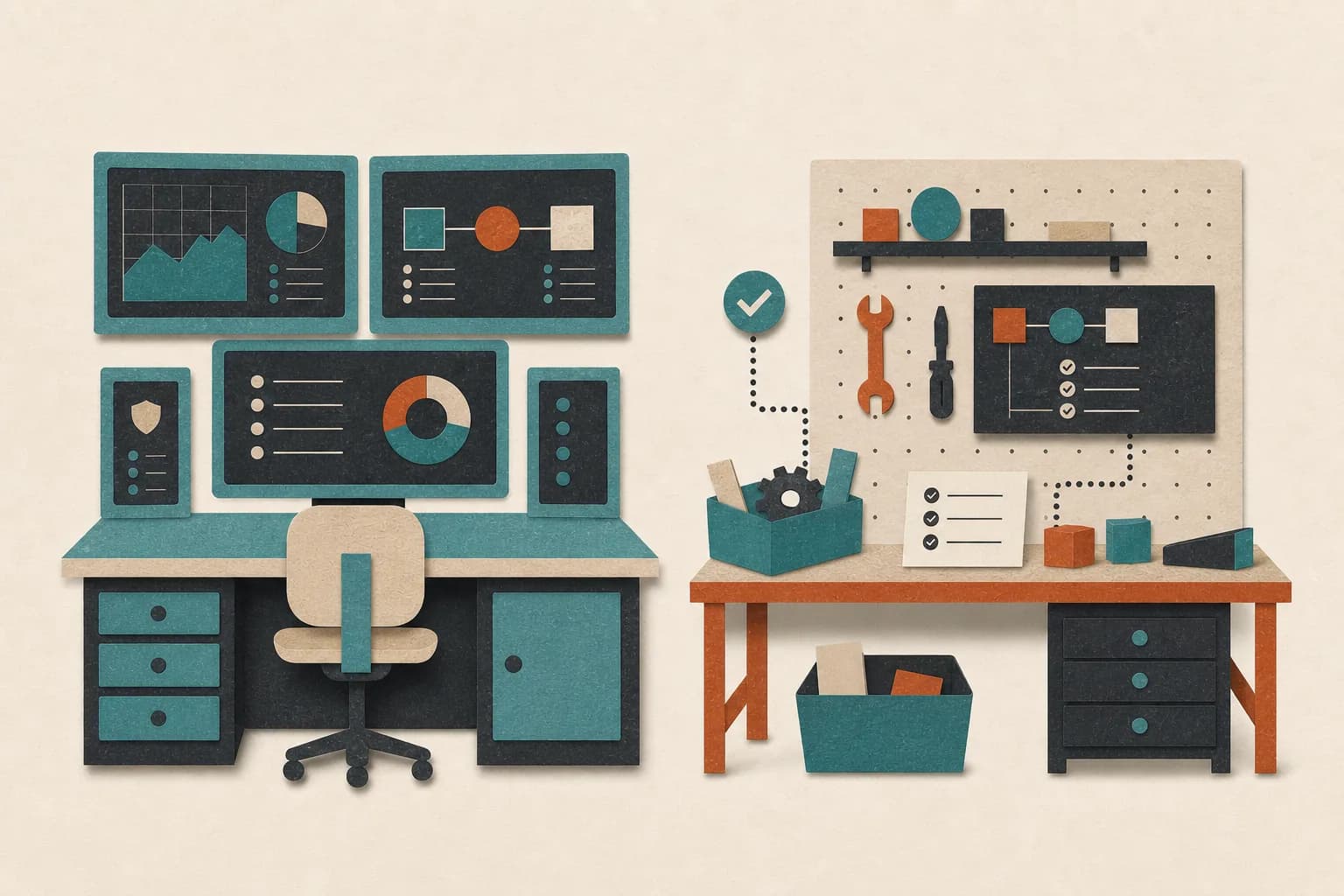
Hermes Agent and OpenClaw are both serious foundations for agents that use tools, connect to communication channels, and run beyond a single browser chat. The better choice depends less on a universal winner and more on the operating model you want.
This comparison reflects their official documentation as of July 18, 2026. Both projects evolve quickly, so confirm technical details before making a long-term platform decision.
The short version
Hermes Agent emphasizes a self-improving personal agent: curated memory, reusable skills, session recall, broad tools, and multiple ways to run the same agent. OpenClaw presents a modular runtime organized around tools, skills, plugins, policies, channels, automation, and multi-agent coordination.
Both can support useful production workflows. The meaningful questions are how you want the agent to learn, how extensions are packaged, what controls you need, and who will maintain the environment.
Hermes Agent: memory and learning are central
The Hermes Agent documentation describes a built-in learning loop, persistent memory, skills, cross-session recall, scheduled work, and a wide set of messaging gateways.
Its bounded memory design is especially concrete. Selected facts and preferences are stored in curated files, while session search can retrieve older conversations on demand. Hermes also separates reusable procedural knowledge into skills. That combination is attractive when the agent should become more useful around one person or team without stuffing every past interaction into every prompt.
Hermes also documents checkpoints, browser automation, delegation, scheduling, MCP integration, and provider routing. It can be operated locally or through several persistent backends.
OpenClaw: modular capability surfaces
OpenClaw's capabilities overview draws explicit lines between tools, skills, and plugins. Tools let an agent act. Skills teach repeatable procedures. Plugins add runtime capabilities, credentials, channels, hooks, or packaged integrations.
That separation can be useful for teams that want a composable platform with detailed policy. The documentation emphasizes that tool visibility can be restricted by profiles, allow/deny rules, provider limits, sandbox state, and channel permissions. It also routes background work, sub-agents, and large tool catalogs into distinct capability areas.
Where they overlap
Both systems support the ingredients people usually mean by “agentic”:
- Actions through tools rather than text alone.
- Reusable instructions or skills.
- Extensions for new systems and integrations.
- Background or scheduled work.
- Multiple interfaces or channels.
- Policies that limit what the agent can access or do.
The overlap is large enough that a feature checklist alone may not settle the decision.
How to choose
Choose based on the workflow and operator, not a logo.
If persistent personal context and a learning loop are central, inspect Hermes closely. If a modular plugin and policy architecture is your starting point, inspect OpenClaw closely. In either case, prototype the same real workflow on both: connect the minimum tools, define the same approval boundary, and compare the quality of the finished result and the maintenance burden.
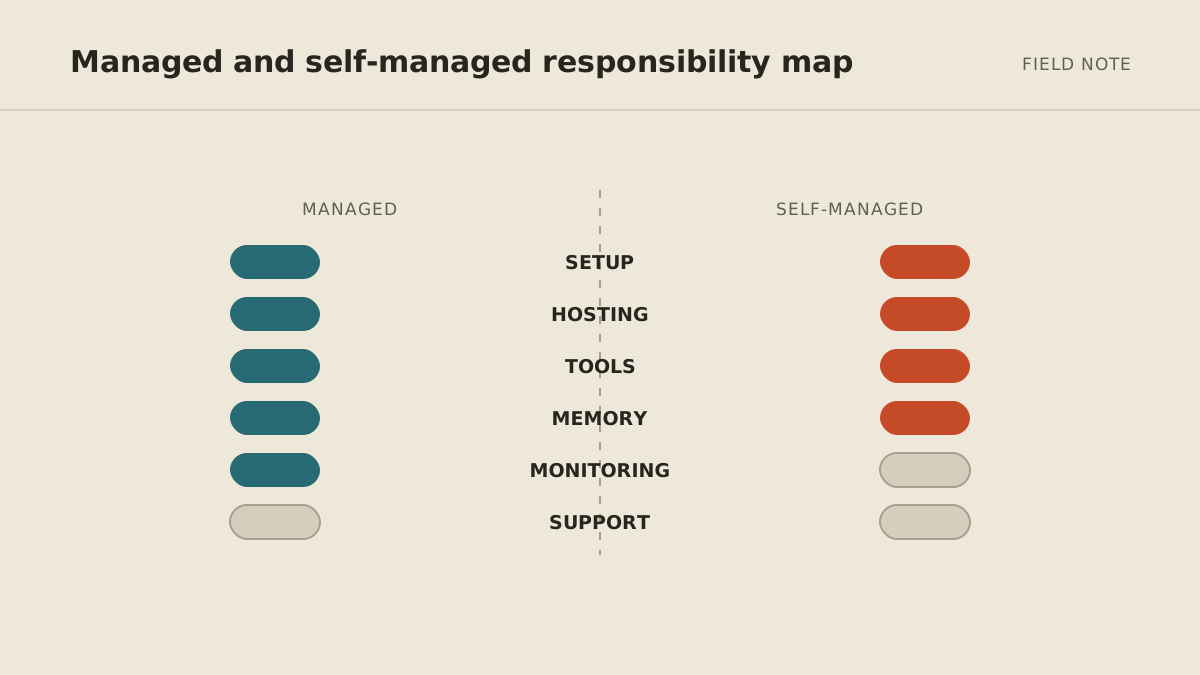
Also decide who owns updates, credentials, recovery, and day-to-day tuning. A technically capable framework is not automatically a dependable service. If you do not want to operate the stack yourself, a managed AI agent may be the more important decision than the framework beneath it.
Our perspective
MyAgnts builds around the outcome first. We may use capable open agent infrastructure, including Hermes-oriented systems, but the buyer should experience a private operator shaped around their routines—not a framework they are expected to administer.